India Energy Reliability: Key to Clean Transition Success
⚡ Quick Read
- What happened: India is shifting its focus from raw renewable capacity addition to ensuring grid reliability and dispatchability to support a $5 trillion economy.
- Why it matters: Industrial consumers require 24/7 power, making intermittency a major risk for EPC contractors and developers who must now pivot toward hybrid and storage-integrated solutions.
- Watch: The integration of BESS and hybrid systems as the primary mechanism to manage peak demand and grid balancing.
Background and Context
India’s clean energy story is evolving from a race for capacity to a quest for stability. With a national target of 500 GW of non-fossil fuel capacity by 2030 and a vision for net-zero by 2070, the nation has established a robust manufacturing ecosystem for solar, batteries, and green hydrogen. However, as the economy tracks toward a $5 trillion valuation, the focus is shifting to India energy reliability. The transition is no longer just about building assets; it is about ensuring that the power generated is predictable, uninterrupted, and dispatchable to meet the demands of a growing industrial base.
Key Details
The current energy landscape faces a structural challenge: peak solar generation often occurs when industrial demand is low, while evening demand spikes force reliance on carbon-intensive sources. According to the India Energy Storage Alliance (IESA), the lack of adequate storage infrastructure threatens to cause billions of dollars in stranded renewable assets and lost industrial output. Distribution companies are also grappling with the hidden integration costs of variable renewable energy, which now accounts for 20-30% of the energy mix in several states. Without a shift toward flexible generation and real-time forecasting, the intermittency of renewables could stifle foreign direct investment and force manufacturers to rely on expensive, carbon-heavy captive power solutions.
What This Means for EPCs and Developers
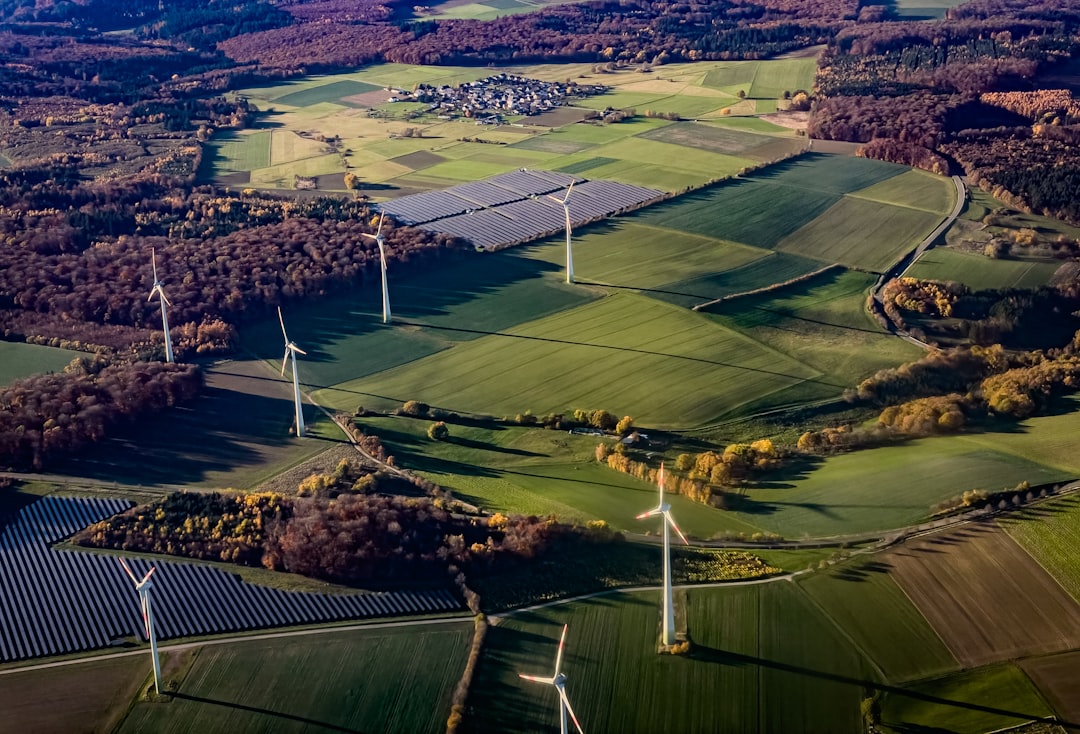
For EPC contractors and solar developers, the market is signaling a transition away from standalone solar or wind projects. The future lies in hybrid energy systems that co-locate solar and wind assets with battery energy storage systems (BESS). Developers must now prioritize projects that offer firm, round-the-clock power to industrial consumers, such as steel mills and semiconductor fabs, which cannot tolerate grid instability. Success in the coming decade will be defined by the ability to integrate storage at scale and implement advanced grid intelligence, moving beyond simple generation to comprehensive energy management.
What Happens Next
The next phase of the India renewable energy sector will be defined by a fundamental rethinking of how generation, storage, and grid infrastructure function as a unified system. Policymakers and industry leaders are expected to double down on transmission corridors that facilitate the movement of power from resource-rich regions to industrial hubs. As the grid becomes more complex, the industry will pivot toward hybrid models that leverage forecasting and scheduling to manage variability in real time, ensuring that the clean energy transition remains both sustainable and economically viable for India’s industrial future.