Solar PV in Arctic Regions: Lessons for High-Latitude Energy
⚡ Quick Read
- What happened: A new IEA report confirms that Arctic solar PV capacity has reached 1,400 MWp, growing at annual rates between 46% and 145%.
- Why it matters: The findings prove that cold temperatures and high albedo from snow significantly boost performance, offering a blueprint for optimizing solar efficiency in extreme climates.
- Watch: The shift toward vertical bifacial arrays as a standard design to mitigate snow accumulation and balance seasonal generation gaps.
Background and Context
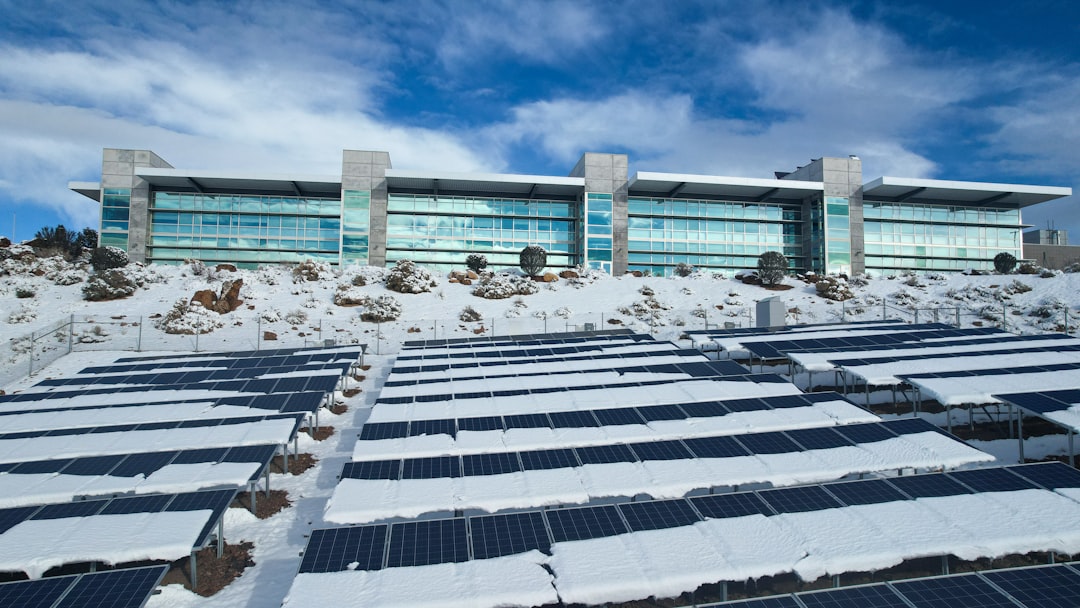
For decades, the global energy industry viewed the Arctic as a solar dead zone, hindered by long winters, extreme cold, and heavy snow loads. However, a landmark report from the IEA Photovoltaic Power Systems Programme (Task 13) has challenged this narrative, positioning Arctic solar PV as a critical component of regional energy security. As of 2023, total installed capacity above the 60th parallel has reached approximately 1,400 MWp, with some regions experiencing explosive annual growth rates between 46% and 145%.
Key Details
The report highlights that cold climates act as a performance catalyst for silicon PV cells. Because the semiconductor bandgap widens at lower temperatures, modules operate with higher voltage. Data from Alaska shows median module temperatures during daylight hours at 15°C—well below the 25°C standard test condition—leading to a slower degradation rate of -0.37% per year, compared to the -0.75% observed in the continental United States. Furthermore, the high albedo provided by persistent snow cover significantly enhances the performance of bifacial modules, making them the recommended technology for high-latitude deployments.
Operational data from a Swedish agrivoltaic site (59.55°N) demonstrates that vertical, east-west facing bifacial arrays are superior to traditional fixed-tilt systems. In December 2023, the vertical system outperformed a south-facing tilted array on 28 out of 31 days, producing 6.1 kWh/kW/month compared to just 1.32 kWh/kW for the tilted system, which suffered from frequent snow coverage.
What This Means for EPCs and Developers
For EPC contractors and developers, the Arctic experience provides a masterclass in site-specific engineering. The primary takeaway is that standard design practices—such as south-facing fixed-tilt arrays—are often suboptimal in high-latitude or extreme-weather environments. By adopting vertical bifacial arrays, developers can shed snow naturally, avoid zero-production periods, and better align generation with demand curves. These insights are highly transferable to developers working in India’s high-altitude regions, such as Ladakh or the Himalayas, where similar challenges regarding snow, low temperatures, and diffuse light exist.
What Happens Next
The industry is expected to pivot toward more specialized mounting structures and bifacial technology as the default for extreme-climate projects. As the India renewable energy sector continues to expand into challenging terrains, the lessons learned from the Arctic regarding vertical mounting and temperature-related efficiency gains will likely influence future project specifications. Integrating these technologies will be essential for maintaining grid stability and maximizing ROI in the next frontier of global solar expansion.