
India’s Behind-the-Meter Energy Storage Market to Hit 39 GWh
⚡ Quick Read
- What happened: A new IESA and CES report projects India’s behind-the-meter (BTM) stationary energy storage market will grow from 32 GWh in 2025 to over 39 GWh by 2033.
- Why it matters: Declining lithium-ion costs and grid tariff parity in states like Maharashtra and Tamil Nadu are creating massive opportunities for EPCs in the C&I solar-plus-storage segment.
- Watch: The rapid shift from lead-acid to lithium-ion batteries, particularly in the telecom and rooftop solar sectors, supported by domestic PLI-backed manufacturing.
Background and Context
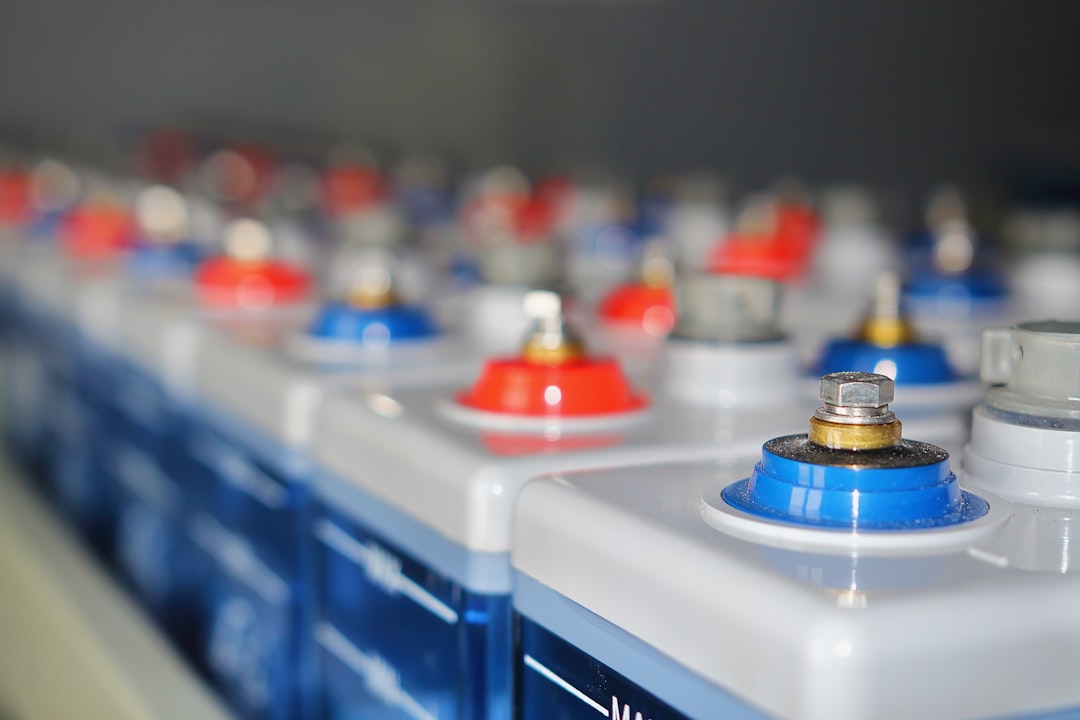
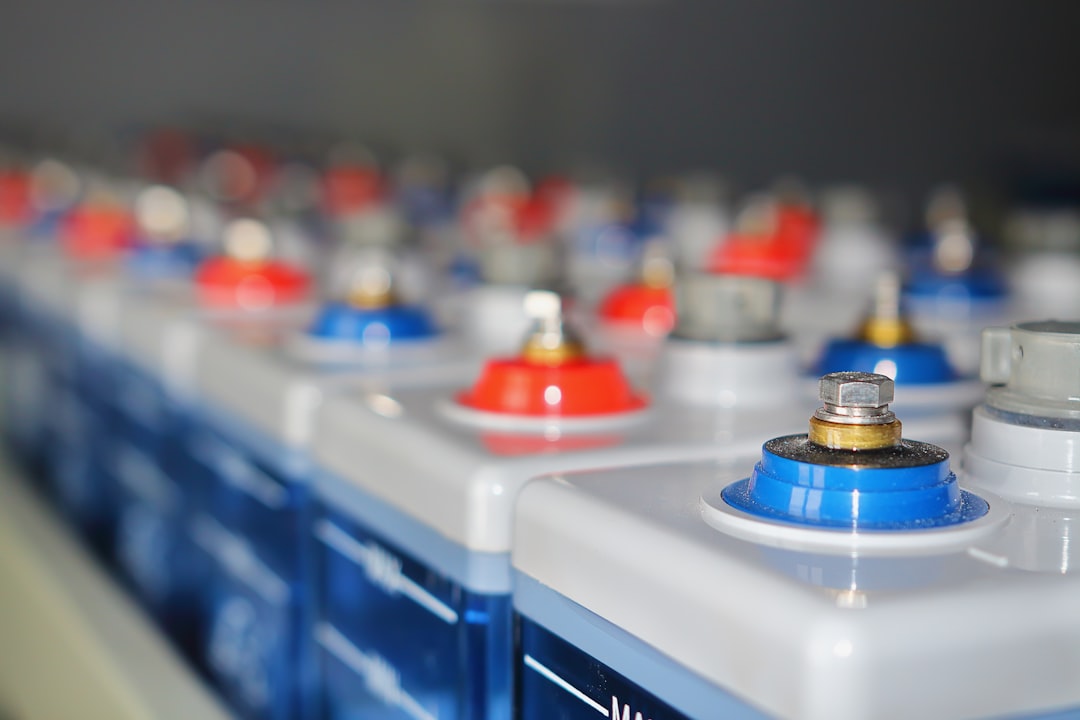
The landscape for behind-the-meter (BTM) energy storage in India is undergoing a significant transformation, driven by the dual needs of grid resilience and cost optimization. According to a recent report by the India Energy Storage Alliance (IESA) and Customised Energy Solutions (CES), the market is set to expand from an annual demand of 32 GWh in 2025 to over 39 GWh by 2033. BTM systems, which include onsite generation and storage solutions like rooftop solar and battery backup, are becoming essential for commercial and industrial (C&I) consumers looking to bypass grid volatility.
Key Details
The report underscores that India is at a critical tipping point. In 2024, the levelized cost of energy (LCOE) for rooftop solar-plus-storage systems reached approximately ₹6-7 per kWh. This figure is increasingly competitive with commercial grid tariffs in high-demand states such as Maharashtra, Tamil Nadu, and Karnataka. While lead-acid batteries currently command 85% of the market, lithium-ion technology is rapidly capturing share, already accounting for 77% of new installations in the telecom sector. Furthermore, India’s domestic manufacturing capacity is scaling up, with major conglomerates like Reliance Industries, Tata Group, and Ola Electric investing in up to 95 GWh of battery production capacity under the government’s Production Linked Incentive (PLI) scheme.
What This Means for EPCs and Developers
For EPC contractors and solar developers, this data signals a lucrative shift toward integrated energy solutions. As solar-plus-storage reaches cost parity with grid power by 2026 for commercial users, the demand for sophisticated, hybrid installations will surge. Developers should pivot their service offerings to include battery integration, as industrial clients are increasingly prioritizing energy security alongside sustainability. With over 30 notable pack assemblers now active in India, the supply chain for lithium-ion components is maturing, allowing for more localized and cost-effective project execution.
What Happens Next
The next decade will be characterized by the integration of smart storage and decentralized energy management. While traditional inverter backups remain relevant, the rise of time-of-day tariffs and net metering policies will further incentivize the adoption of advanced storage. As the India renewable energy sector continues to mature, the synergy between domestic manufacturing and decentralized storage deployment will be the primary engine for growth, ensuring that businesses can maintain operational continuity despite grid fluctuations.