CMI Institutions Commission 294 kW Rooftop Solar in Kerala
⚡ Quick Read
- What happened: CMI Educational Institutions commissioned 294 kW of rooftop solar across three Kerala campuses, utilizing AXITEC modules and SolarEdge inverters.
- Why it matters: The project demonstrates a clear 4.4-year payback model for C&I consumers, highlighting the financial viability of solar for educational infrastructure.
- Watch: Increasing adoption of module-level power electronics (MLPE) and rapid-shutdown safety features in institutional solar projects.
Background and Context
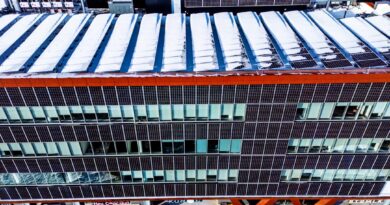
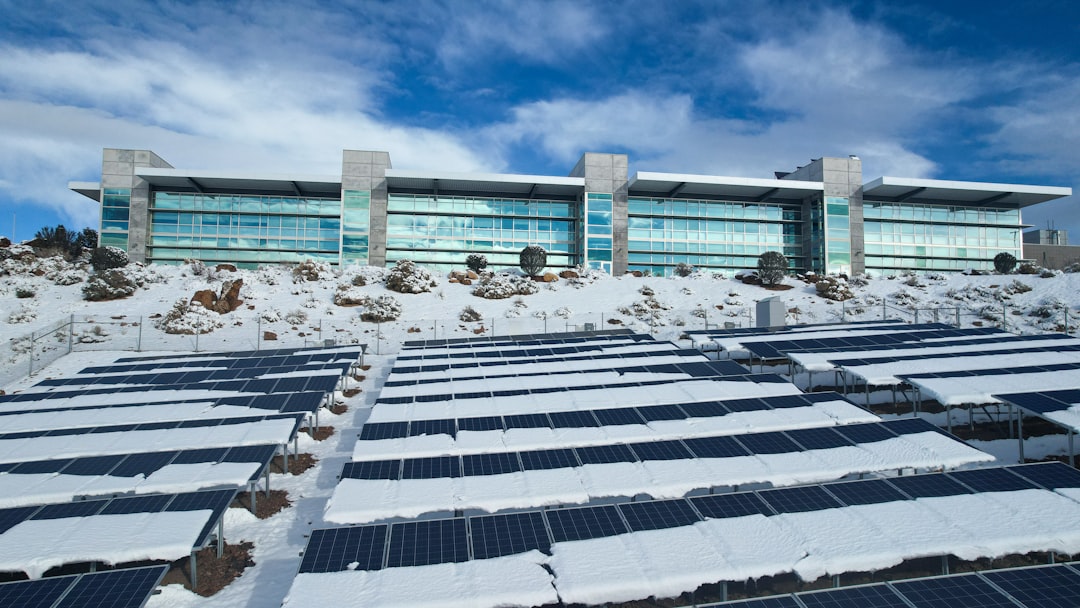
CMI Educational Institutions has successfully commissioned 294 kW of rooftop solar installations across its campuses in Kerala, marking a significant step toward energy independence for the group. The project, executed by SOL Energy Projects, spans three distinct locations: Kristu Jyoti CMI Institutions in Changanacherry, Christ Nagar CMI Group of Schools in Kowdiar, and Christ CMI College in Vizhinjam. As electricity costs continue to rise, educational institutions are increasingly turning to solar energy to optimize operational expenses and reduce their carbon footprint.
Key Details
The total capacity of 294 kW is distributed as follows: 120 kW at the Changanacherry site, 144 kW at the Kowdiar site, and 30 kW at the Vizhinjam site. Before these installations, the campuses faced substantial monthly electricity expenses of approximately ₹400,000, ₹200,000, and ₹45,000 respectively. Post-commissioning, the institutions are projected to achieve monthly savings of ₹150,000, ₹180,000, and ₹45,000, respectively. The project is estimated to achieve a full return on investment within a 4.4-year payback period.
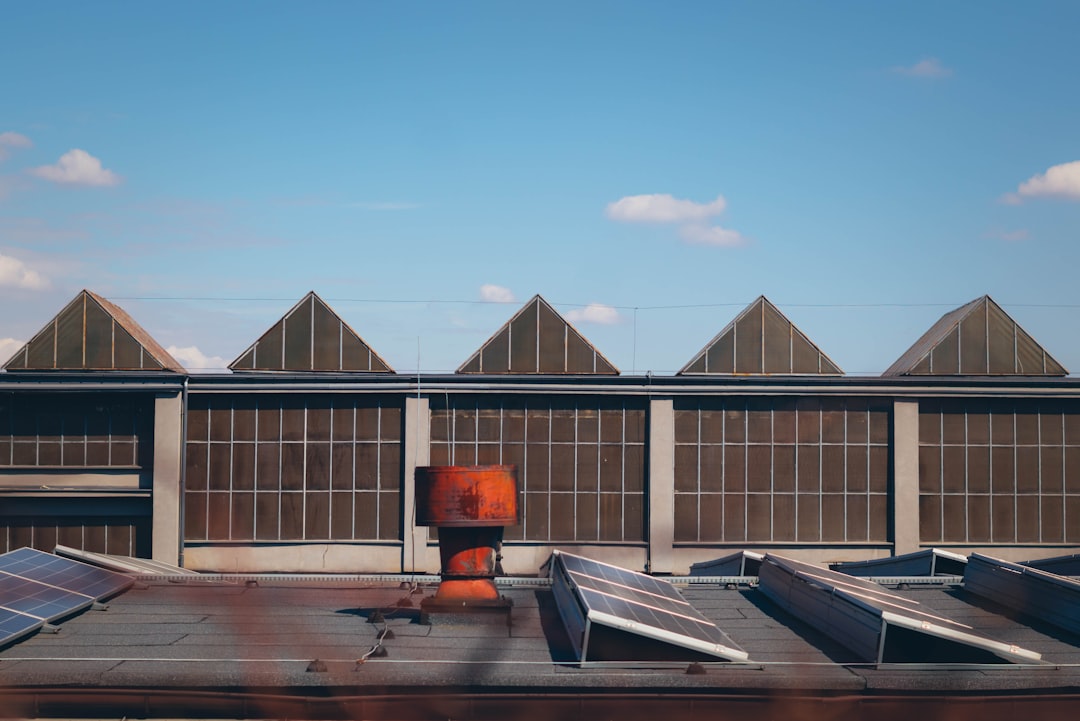
Technically, the installations utilize high-efficiency AXITEC solar modules paired with SolarEdge grid inverters and power optimizers. The systems are mounted on robust Tata GI structures. A critical component of this deployment is the inclusion of module-level power electronics (MLPE), which allows for granular monitoring of each panel’s output. Furthermore, given the nature of the sites, safety was prioritized through the integration of rapid-shutdown features to mitigate electrical hazards.
What This Means for EPCs and Developers
For EPC contractors and solar developers, this project underscores the growing demand for high-quality, safety-compliant rooftop solar installations in the C&I sector. The emphasis on standardized technology—using consistent inverters and monitoring systems across multiple sites—highlights the importance of scalability and ease of maintenance in multi-campus portfolios. Developers should note that clients are increasingly prioritizing long-term reliability and safety features, such as rapid-shutdown, over the lowest possible upfront cost.
What Happens Next
The successful implementation of these rooftop solar installations serves as a blueprint for other educational and commercial entities in Kerala. As the India renewable energy sector continues to expand, the focus is shifting from simple capacity addition to optimizing performance through advanced monitoring and safety technology. Industry stakeholders will monitor the long-term performance data of these sites to further validate the financial and operational benefits of solar adoption in the institutional segment.