Neuron Energy Commissions 5 GWh Battery Storage Facility
⚡ Quick Read
- What happened: Mumbai-based Neuron Energy has commissioned a ₹1 billion (~$10.76 million) battery energy storage system (BESS) manufacturing facility in Talegaon, Maharashtra, with an annual capacity of 5 GWh.
- Why it matters: This move signals a strategic shift for the EV-focused company into utility-scale storage, providing domestic capacity for containerized BESS units essential for grid-balancing renewable energy.
- Watch: The company’s progress toward its 3 GWh expansion target and the upcoming April 2027 enforcement of the new CEA safety regulations for BESS.
Background and Context
Neuron Energy, a Mumbai-based firm primarily recognized for its electric vehicle (EV) solutions, has officially entered the utility-scale energy storage sector. The company has commissioned a new 5 GWh battery energy storage system manufacturing facility in Talegaon, Maharashtra. This investment, valued at ₹1 billion (~$10.76 million), represents a significant diversification for the company, which has historically focused on lithium-ion batteries for two-wheelers, three-wheelers, and light commercial vehicles.
Key Details
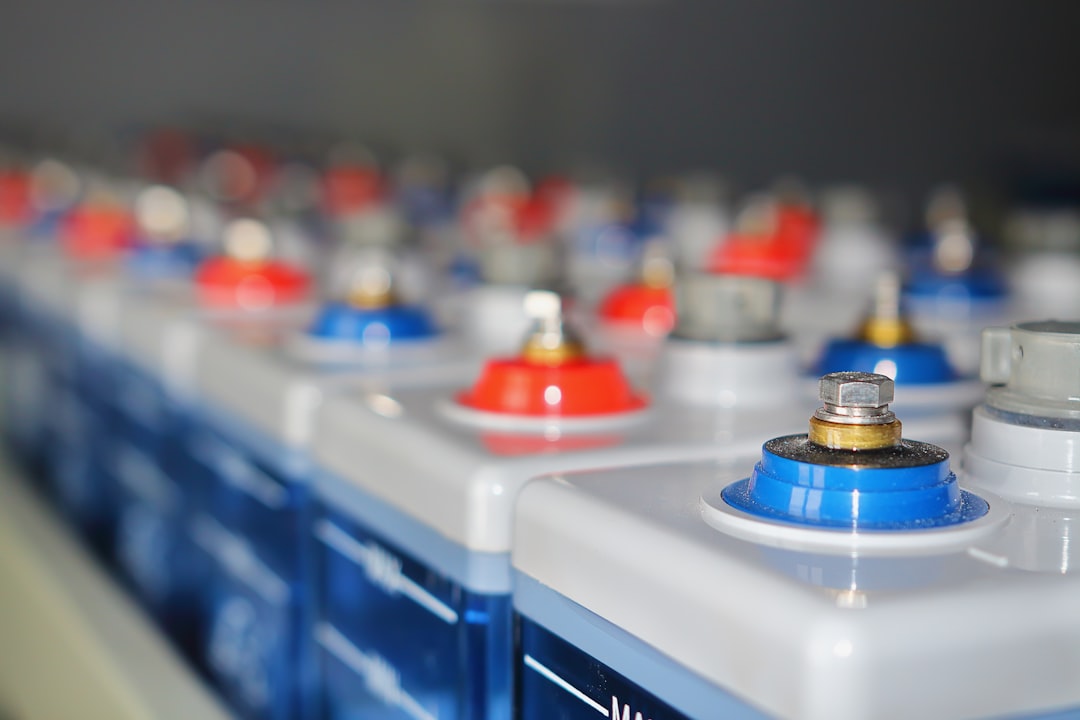
The new facility is spread across seven acres and features fully automated production lines designed to manufacture containerized battery storage units. These units are specifically engineered to store surplus renewable energy and facilitate dispatch during peak demand periods, addressing a critical bottleneck in India’s energy transition. Founded in 2018, Neuron Energy has previously established manufacturing footprints in Kapashera, Noida, and Pune. The company has demonstrated strong financial momentum, having raised ₹310 million in a pre-series B round last November and ₹200 million in Series A funding in 2024. Neuron Energy projects sales exceeding ₹9 billion (~$100.7 million) over the coming years as it scales its operations.
What This Means for EPCs and Developers
For EPC contractors and renewable energy developers, the entry of a domestic player with a 5 GWh production capacity is a positive development for supply chain security. As utility-scale solar and wind projects increasingly require mandatory storage components to ensure grid stability, the availability of locally produced, containerized BESS units can help mitigate import dependencies and logistics costs. The facility’s focus on containerized solutions aligns with the requirements of large-scale renewable energy parks that need modular, scalable storage infrastructure.
What Happens Next
Neuron Energy is currently planning to establish a separate fully automated facility in Chakan, Pune, dedicated to electric four-wheelers and buses. Furthermore, the industry is preparing for the implementation of the Central Electricity Authority (Measures relating to Safety and Electric Supply) Amendment Regulations, 2026, which will introduce a comprehensive safety framework for BESS starting April 1, 2027. These regulations will set the standard for future storage deployments across the country. As India continues to integrate higher shares of variable renewable energy into its grid, the expansion of domestic battery manufacturing capacity remains a cornerstone of the broader India renewable energy sector context, supporting the nation’s ambitious decarbonization targets.