Aroma Solar Commissions 1.2 GW TOPCon Module Plant in North India
⚡ Quick Read
- What happened: Aroma Solar has commissioned a 1.2 GW fully automated, AI-driven solar module manufacturing facility in Karnal, North India, producing TOPCon modules with 620-635 W capacity.
- Why it matters: The plant utilizes advanced robotic automation and AI-based quality verification to minimize long-term field defects, offering developers higher-efficiency 23.51% modules.
- Watch: Aroma Solar is currently evaluating vertical integration plans to enter solar cell and wafer production to strengthen supply chain control.
Background and Context
Aroma Solar, the renewable energy division of agricultural exporter Aroma Agrotech, has officially commenced operations at its new 1.2 GW solar module manufacturing facility located in Karnal, North India. This development marks a significant milestone for the region, as the plant is touted as North India’s first fully automated, AI-driven production line dedicated to TOPCon (Tunnel Oxide Passivated Contact) technology. By integrating advanced manufacturing processes, the company aims to address the critical industry need for higher-efficiency modules capable of sustained performance in diverse climatic conditions.
Key Details
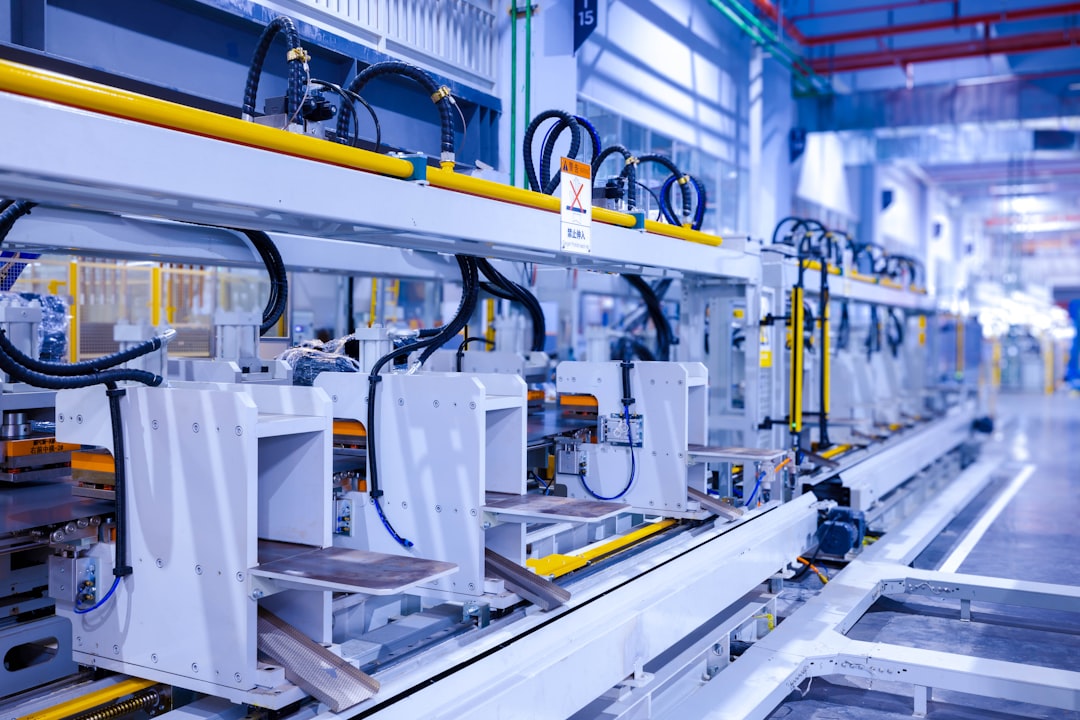
The newly commissioned facility specializes in the production of high-wattage TOPCon modules, with power ratings ranging from 620 W to 635 W and an efficiency rating of 23.51%. A standout feature of the plant is its reliance on robotic automation and AI-based quality verification systems. These technologies are specifically deployed to standardize cell placement and lamination—two critical stages in the manufacturing process where micro-defects often originate, potentially impacting module longevity years after installation.
According to Mayank Garg, CEO of Aroma Solar, the company has utilized equipment from Chinese supplier SC and is committed to sourcing exclusively Tier-1 raw materials. The facility is designed to prioritize long-term field performance over mere volume output, reflecting a shift in the Indian market toward premium quality standards.
What This Means for EPCs and Developers
For EPC contractors and solar developers operating in India, the entry of a high-tech, automated manufacturing hub in North India provides a strategic advantage in terms of logistics and supply chain reliability. The availability of locally manufactured, high-efficiency TOPCon modules reduces dependence on imports and helps developers meet domestic content requirements while ensuring the deployment of cutting-edge technology. The focus on AI-driven quality control offers a potential reduction in long-term O&M (Operations and Maintenance) risks, which is a vital consideration for projects with 25-year lifespans.
What Happens Next
Following the successful launch of this 1.2 GW capacity, Aroma Solar has already initiated planning for its next phase of expansion. The company is actively evaluating vertical integration, with a specific focus on entering the solar cell and wafer production segments. This move is intended to provide greater control over the supply chain and insulate the company from global price volatility. As India continues to scale its renewable energy sector to meet ambitious net-zero targets, the rise of such automated, high-precision manufacturing facilities is essential for maintaining the momentum of the country’s energy transition.