Germany Awards 3.4 GW Onshore Wind and 155 MW Solar Capacity
⚡ Quick Read
- What happened: Germany’s Federal Network Agency awarded 3,445 MW of onshore wind and 155 MW of solar capacity, with wind prices hitting a record low of €0.0554/kWh.
- Why it matters: The significant oversubscription in German wind tenders highlights global competition for grid capacity and the downward pressure on renewable energy tariffs.
- Watch: Future innovation tenders and the impact of these declining average award values on global module and turbine supply chain pricing.
Background and Context
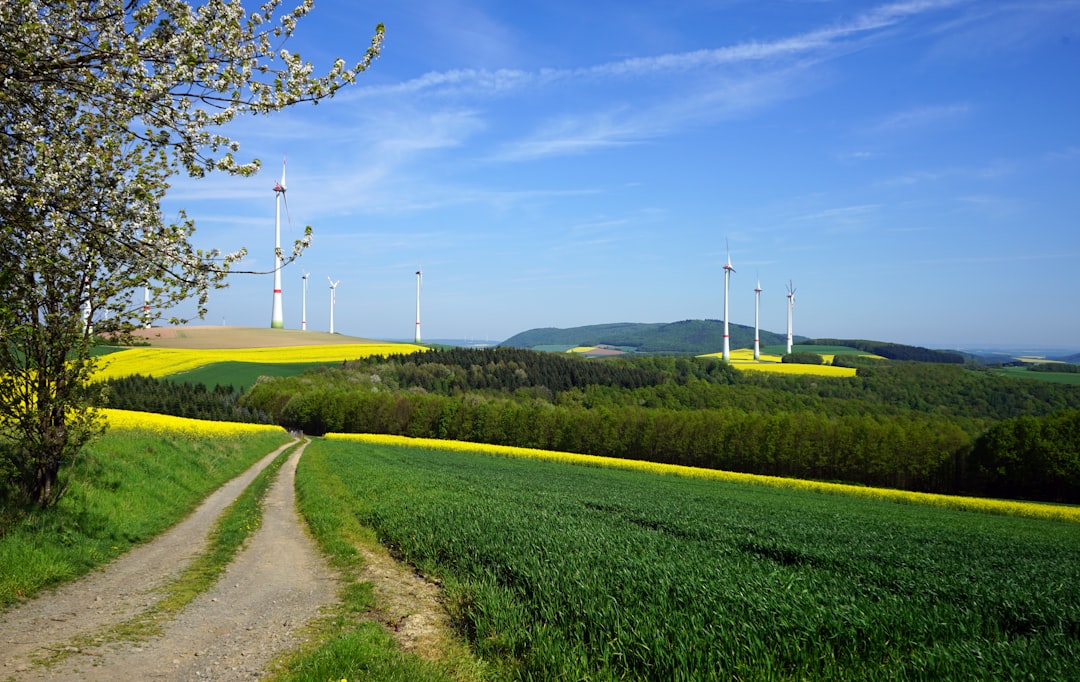
The global renewable energy landscape is closely monitoring the latest developments in the Germany onshore wind auction, as the Federal Network Agency (Bundesnetzagentur) continues to drive aggressive capacity expansion. In its February 2026 tender round, the agency successfully awarded 3,445 MW of onshore wind capacity, reflecting a robust pipeline despite shifting macroeconomic conditions. This auction process is a critical benchmark for international developers and EPC contractors, as it signals the prevailing sentiment regarding project viability and tariff competitiveness in one of the world’s most mature energy markets.
Key Details
The wind segment saw intense interest, with 924 bids totaling 7,858 MW, indicating that the tender was significantly oversubscribed. Out of these, 439 bids were successful. Notably, the volume-weighted average award value for wind dropped to €0.0554 (~$0.0642)/kWh, the lowest level recorded since the tender mechanism’s inception in February 2018. Bid prices ranged between €0.0519 (~$0.0601)/kWh and €0.0564 (~$0.0653)/kWh. Regionally, Lower Saxony dominated the awards with 957 MW, followed by North Rhine-Westphalia with 661 MW.
In contrast, the solar segment for buildings and noise barriers faced a more tepid response. Out of 98 bids received, only 155 MW were awarded across 85 projects, significantly below the 310 MW seen in the October 2025 round. Tariffs for this segment ranged from €0.0788 (~$0.0913)/kWh to €0.1000 (~$0.1159)/kWh, with a volume-weighted average of €0.0956 (~$0.110)/kWh.
What This Means for EPCs and Developers
For EPC contractors and developers operating in the Indian market, these European trends provide a vital comparative data point. The record-low wind tariffs in Germany underscore the necessity for extreme operational efficiency and supply chain optimization to maintain margins. As India continues to scale its own renewable energy capacity, the ability to manage large-scale grid integration and navigate competitive bidding environments—similar to the German model—will be the primary differentiator for successful project execution.
What Happens Next
The Bundesnetzagentur has already signaled further activity, having recently invited bids for an additional 2.5 GW of onshore wind and 475 MW under its innovation tender framework. As the India renewable energy sector continues its rapid expansion toward 500 GW of non-fossil capacity by 2030, domestic stakeholders must observe how European markets manage the balance between aggressive tariff discovery and the long-term financial sustainability of large-scale wind and solar infrastructure projects.