CleanMax Signs 50MW Hybrid Renewable Power Deal with Sangam India
⚡ Quick Read
- What happened: CleanMax signed a 50MW hybrid renewable energy agreement (30MW solar, 20MW wind) with 2MWh BESS for Sangam India’s Rajasthan textile facilities.
- Why it matters: This project highlights the growing trend of C&I consumers utilizing group captive hybrid models with storage to ensure round-the-clock power supply.
- Watch: Further adoption of Rajasthan’s 2025 Green Energy Open Access regulations by other industrial manufacturers to offset grid dependency.
Background and Context
CleanMax Enviro Energy Solutions Ltd has solidified its position in the commercial and industrial (C&I) renewable sector by signing a strategic hybrid renewable energy supply agreement with Sangam India, a prominent textile manufacturer. The deal is designed to decarbonize Sangam India’s manufacturing operations by leveraging a sophisticated hybrid model that integrates solar, wind, and battery storage technologies.
Key Details
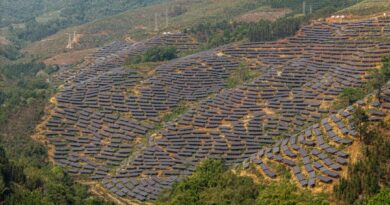
The agreement involves a 50MW capacity hybrid plant, comprising 30 MWp of solar and 20 MW of wind power. To ensure reliability and address the intermittency of renewable sources, the project is backed by a 2 MWh battery energy storage system (BESS). The power will be evacuated from CleanMax’s hybrid farm located in Bhikamkor, Rajasthan, and supplied to five of Sangam India’s manufacturing facilities under an intra-state group captive structure.
This initiative operates under the regulatory umbrella of the Rajasthan Electricity Regulatory Commission (Terms and Conditions for Green Energy Open Access) Regulations, 2025. These regulations are pivotal in streamlining open access procurement and providing the necessary framework for hybrid renewable projects that incorporate storage solutions. CleanMax currently maintains a significant footprint in the region, with 525 MW of operational capacity in Rajasthan as of March 31, 2026, spanning projects in Bhikamkor and Bikaner.
What This Means for EPCs and Developers
For EPC contractors and renewable energy developers, this project serves as a blueprint for the future of industrial power procurement in India. The integration of BESS with solar and wind assets is no longer a niche requirement but a necessity for high-energy-consuming industries like textiles that require round-the-clock (RTC) power. Developers should note that Rajasthan’s regulatory environment is increasingly favorable toward hybrid configurations, providing a template for similar projects across other high-irradiation states.
The shift toward group captive models allows industrial consumers to bypass traditional grid tariffs while ensuring a stable, predictable supply profile. EPC firms capable of delivering integrated hybrid solutions—balancing generation assets with storage—will likely see increased demand as more industrial players seek to meet ESG targets and reduce operational costs.
What Happens Next
As the Indian renewable energy sector continues to evolve, the focus is shifting from simple capacity addition to the delivery of firm, dispatchable power. The success of the CleanMax-Sangam partnership underscores the maturity of the C&I market in India. Moving forward, stakeholders should monitor how state-level open access policies continue to incentivize the deployment of BESS, as this will be the primary driver for the next phase of growth in the Indian renewable energy sector.