Feston SEV Announces 3 GWh BESS Manufacturing Facility
⚡ Quick Read
- What happened: Chennai-based Feston SEV is establishing a 3 GWh battery energy storage system (BESS) manufacturing facility, supported by a prismatic assembly line from Light Mechanics.
- Why it matters: This move signals a strategic shift for inverter companies toward integrated solar-plus-storage solutions, addressing the critical need for reliability in the C&I segment.
- Watch: The operational timeline for the new facility and the competitive pricing of their 5 kWh to 5 MWh storage product range.
Background and Context
Feston SEV, a Chennai-based technology firm primarily known for its solar inverter portfolio, has officially announced its entry into the domestic battery energy storage system (BESS) manufacturing space. This strategic expansion aims to capitalize on the growing demand for integrated power electronics and energy storage solutions within the Indian market. By transitioning from pure-play inverter manufacturing to a broader energy storage ecosystem, the company seeks to address the increasing need for grid stability and reliable power supply for commercial and industrial (C&I) consumers.
Key Details
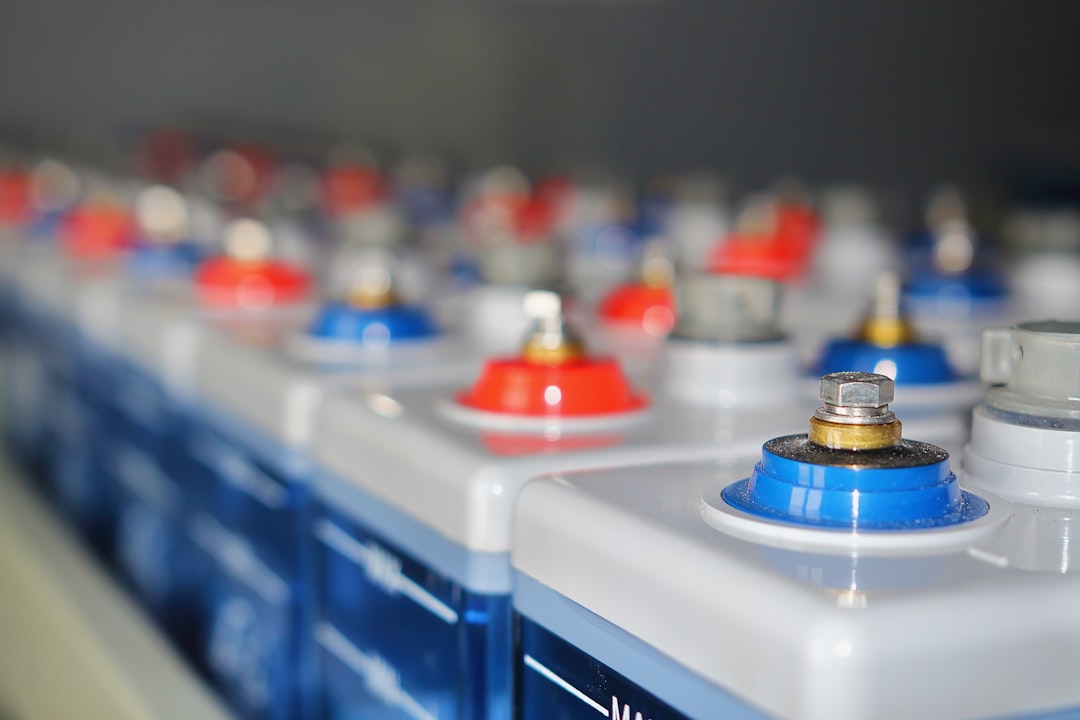
The company is setting up a state-of-the-art BESS manufacturing facility with an annual production capacity of 3 GWh. To facilitate this, Feston SEV has signed a definitive agreement with Bengaluru-based Light Mechanics to source a 3 GWh prismatic assembly line. The upcoming production line is designed to manufacture a diverse range of storage solutions, spanning from 5 kWh units for residential applications to 5 MWh systems tailored for large-scale commercial and industrial requirements.
According to Sampath Kumar, CEO of Feston SEV, the integration of storage is no longer an optional luxury but a fundamental necessity for the modern energy landscape. The company’s focus remains on providing hybrid systems that combine solar generation with robust storage capabilities to ensure consistent power availability, regardless of grid fluctuations.
What This Means for EPCs and Developers
For EPC contractors and solar developers operating in India, the entry of new domestic BESS manufacturers is a positive development. Increased local production capacity is expected to streamline supply chains and reduce dependence on imported battery modules, which have historically been subject to price volatility and long lead times. As developers increasingly look to bundle solar projects with storage to meet round-the-clock (RTC) power requirements, having access to locally manufactured, scalable BESS solutions will be critical for project viability and cost optimization.
What Happens Next
Feston SEV will now focus on the commissioning of the prismatic assembly line and the subsequent scale-up of its manufacturing operations. The industry will be closely monitoring the company’s ability to achieve competitive pricing and performance standards compared to established global battery players. As India continues to aggressively expand its renewable energy sector, the availability of indigenous storage technology will play a pivotal role in achieving the government’s ambitious targets for grid-integrated storage and decarbonization of the C&I sector.