SECI Invites Bids for ₹6.6 Billion Loan for 200 MW Solar Project
⚡ Quick Read
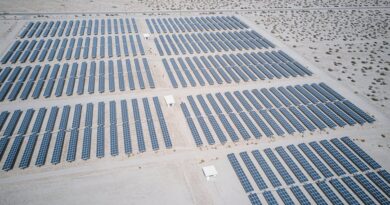
- What happened: The Solar Energy Corporation of India (SECI) has invited proposals from financial institutions for ₹6.6 billion in term loans to fund a 200 MW solar power project in Dhar, Madhya Pradesh.
- Why it matters: This financing tender provides critical insight into the capital structure and debt requirements for large-scale solar developments in India, highlighting a 20-year loan tenor.
- Watch: The project is scheduled for completion by May 22, 2027, with grid connectivity already secured at the 400/220 kV Badnawar substation.
Background and Context
The Solar Energy Corporation of India (SECI) has officially invited proposals from scheduled commercial banks and financial institutions to secure ₹6.6 billion (~$71.1 million) in term loans. These funds are earmarked for a strategic 200 MW solar project currently under development in Dhar, Madhya Pradesh. This move follows SECI’s recent designation as the sole renewable energy implementing agency (REIA) for new procurement bids, reinforcing its central role in India’s energy transition.
Key Details
The total estimated cost for the 200 MW solar project stands at ₹9.45 billion (~$101.75 million). This figure accounts for a ₹1.3 billion subsidy and viability gap funding, with the Ministry of New and Renewable Energy (MNRE) contributing a total of ₹8.15 billion. SECI has confirmed that grid connectivity is already secured, with power evacuation planned at the 220 kV level via the Madhya Pradesh Power Transmission Company’s 400/220 kV Badnawar substation.
Bidders are required to offer a minimum loan amount of ₹1.5 billion in multiples of ₹100 million. The financial structure mandates a debt-equity ratio of 80:20, with flexibility to adjust to 70:30. The loan tenor is set for 20 years, featuring a two-year moratorium and an 18-year repayment period. Principal repayments will occur on a half-yearly basis, while interest payments are scheduled monthly. The maximum interest rate rest period is capped at six months, and the loan must be drawn within two years.
What This Means for EPCs and Developers
For EPC contractors and developers, this tender underscores the rigorous financial planning required for utility-scale solar projects. The specific debt-equity requirements and the long-term nature of the loan reflect the current market expectations for project bankability. As SECI continues to streamline its role as an intermediary, developers should note the emphasis on structured financing and the integration of government subsidies to lower the overall cost of capital.
What Happens Next
The project is slated for completion by May 22, 2027. With the financial bidding process now open, stakeholders will be monitoring the interest rate trends and the participation levels of major financial institutions. This development is part of a broader trend in the India renewable energy sector, where SECI is increasingly diversifying its funding mechanisms—ranging from debenture issues to specialized term loans—to support the ambitious capacity addition targets set by the government.
📊 Key Data
SECI is seeking competitive financing for its 200 MW solar project in Madhya Pradesh, with specific requirements for loan structure and repayment terms.
| Issuing Authority | Solar Energy Corporation of India (SECI) |
| Tender Reference | Not specified |
| Capacity/Scope | 200 MW Solar Project |
| Technology Type | Solar PV |
| Project Location | Dhar, Madhya Pradesh |
| Estimated Value | ₹6.6 Billion (Loan amount) |
| EMD/Bid Security | Not specified |
| Bid Deadline | Not specified |
| Pre-bid Meeting | Not specified |
| Project Duration | Completion by May 22, 2027 |
| Tariff Structure | Not applicable |
| Eligibility Networth | Not specified |
| Eligibility Experience | Scheduled commercial banks/financial institutions |
| Special Conditions | Debt-equity 80:20 or 70:30; 20-year tenor |
| Go/No-Go Signal | 🟢 |