Abu Dhabi Expands Residential Solar Policy: MENA Market Update
⚡ Quick Read
- What happened: The Abu Dhabi Department of Energy launched Phase-2 of its solar self-supply policy, allowing residential owners to integrate rooftop solar and battery storage with the grid.
- Why it matters: This regulatory shift creates new opportunities for technology providers and installers in the MENA region, signaling a move toward decentralized grid management.
- Watch: Future updates on grid-connection standards and the potential for similar policy frameworks to emerge in other GCC nations.
Background and Context
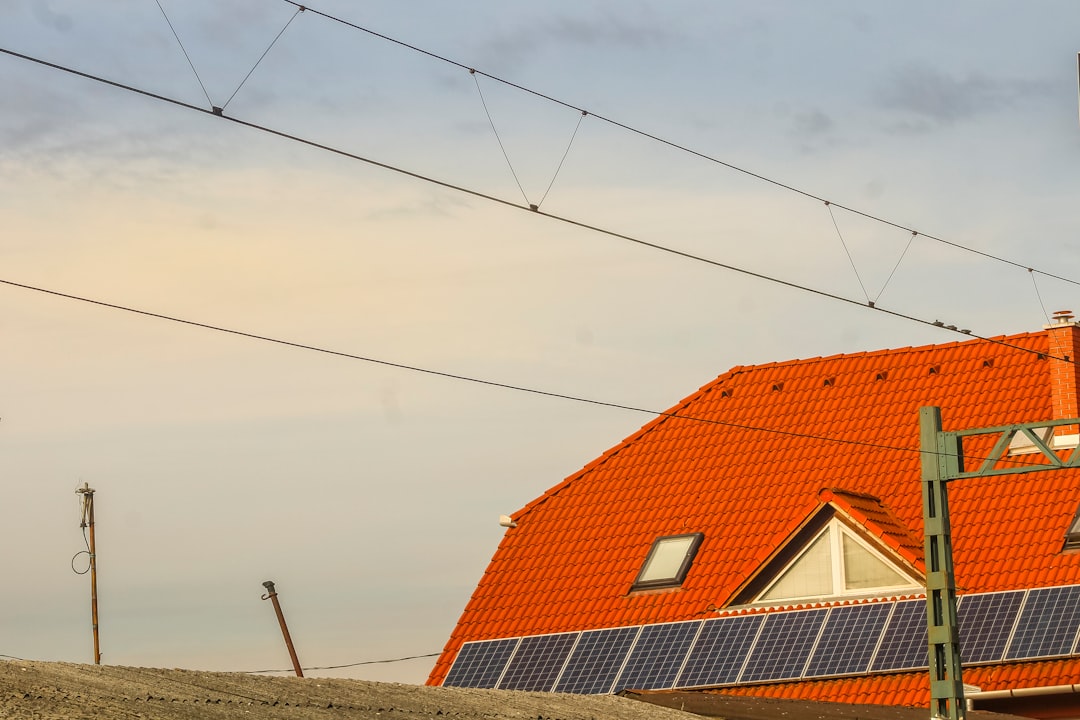
The Abu Dhabi Department of Energy has officially launched the second phase of its solar energy self-supply policy, marking a significant milestone for the region’s energy transition. While the initial phase focused on broader industrial and commercial applications, this expansion specifically targets the residential sector, including villas and residential buildings. By integrating rooftop solar systems with the grid, the policy aims to decentralize power generation and enhance the overall efficiency of the Emirate’s electricity infrastructure.
Key Details
The new regulatory framework is designed to streamline the installation and grid-connection procedures for residential solar projects. Key features include the standardization of technical requirements to ensure safety and operational efficiency. Crucially, the policy enables homeowners to not only generate electricity during daylight hours but also store excess energy using battery storage systems. This dual-approach is expected to reduce pressure on the central grid and improve load management across Abu Dhabi.
In other regional developments, ACWA Power has reported temporary dispatch limitations at two major solar projects in Saudi Arabia. The 1,425 MW Al Kahfah solar project, operational since November 2025, has faced restrictions since December 12, 2025. Similarly, the 2,000 MW Ar Rass 2 solar project, which achieved initial commercial operation in September 2025, has been under dispatch limitations since January 16, 2026. Meanwhile, Oman has introduced the ‘Solar Energy – Sustainable Harvest’ program, offering up to OMR 15,000 (~$38,930.6) in financing for solar systems in the agricultural sector, supported by interest rates as low as 0% for full-time farmers.
What This Means for EPCs and Developers
For EPC contractors and solar developers, the expansion of the Abu Dhabi residential solar market represents a shift toward smaller-scale, high-volume project opportunities. The standardization of technical requirements reduces the “soft costs” associated with project deployment, making it easier for developers to scale their operations. However, the dispatch limitations faced by utility-scale projects in Saudi Arabia serve as a reminder of the critical importance of grid infrastructure readiness. Developers must account for potential curtailment risks and grid integration challenges when planning large-scale renewable assets in the MENA region.
What Happens Next
The successful implementation of Abu Dhabi’s residential solar policy will likely serve as a blueprint for other nations in the Middle East looking to optimize their energy mix. As the India renewable energy sector continues to expand its own rooftop and C&I solar capacity, these regional developments highlight the global trend toward grid-interactive residential energy systems. Stakeholders should monitor the operational performance of these new residential installations to gauge the long-term impact on grid stability and energy pricing.