Solar Cleaning Robots: Boosting Utility-Scale Solar Efficiency
⚡ Quick Read
- What happened: Utility-scale solar operators in India are increasingly adopting automated solar cleaning robots to mitigate energy losses caused by dust and soiling, which can reduce generation by up to 30%.
- Why it matters: Robotic cleaning reduces O&M costs by 30-40%, eliminates water dependency, and prevents module degradation, directly improving the internal rate of return (IRR) for large-scale solar projects.
- Watch: The shift from reactive manual cleaning to predictive, automated maintenance models as a standard requirement for new solar tenders and asset management strategies.
Background and Context
The Indian utility-scale solar sector is undergoing a fundamental shift from a capital-expenditure-focused growth phase to a model where operational efficiency dictates long-term financial viability. As the industry matures, stakeholders are prioritizing sustained energy output over the entire lifecycle of a project. Solar cleaning robots have emerged as a critical technological intervention in this transition, addressing the persistent challenge of soiling, which remains one of the largest sources of hidden energy loss in large-scale solar installations.
Key Details
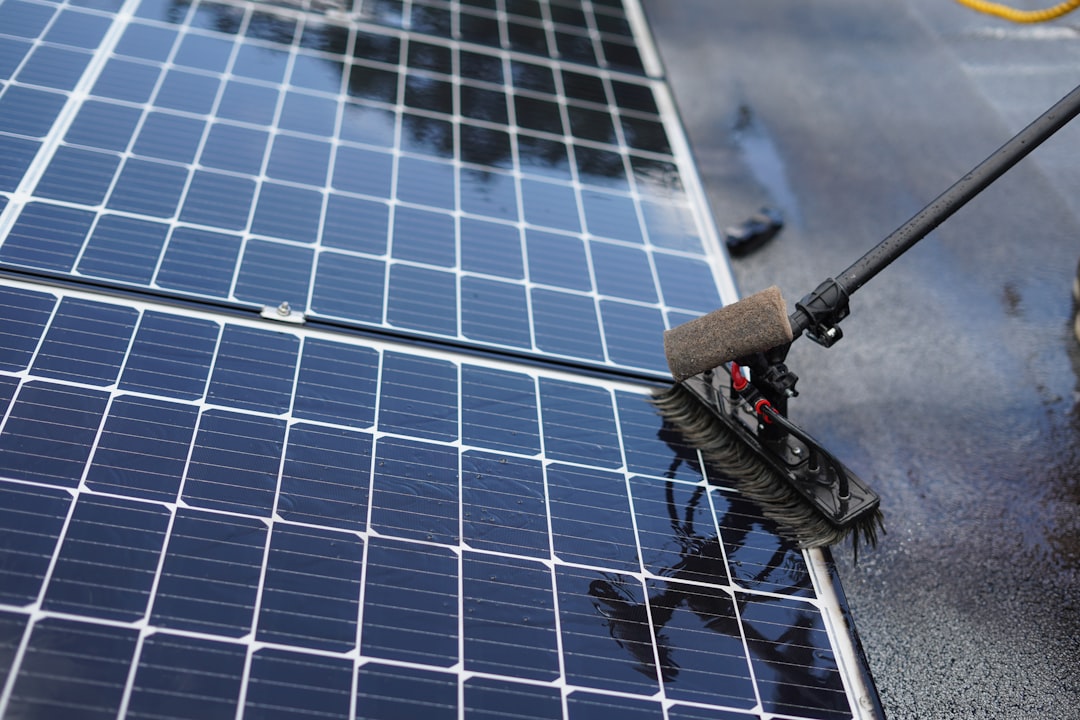
Technical assessments reveal that soiling can reduce energy generation by as much as 30% in extreme environments, including arid, agricultural, and industrial regions across India. For a standard 1 MW ground-mounted solar plant producing approximately 15 lakh units annually, a 3% soiling loss translates to 45,000 units of unrealized generation. Conventional cleaning methods, which rely on manual labor and water, are increasingly viewed as inefficient. They are susceptible to labor shortages, water scarcity, and potential module surface damage due to abrasive cleaning techniques. In contrast, modern solar cleaning robots utilize sensor-based navigation and terrain adaptation to perform automated, waterless, and frequent cleaning cycles. These systems are compatible with both fixed-tilt and tracker-based installations, ensuring consistent performance ratios across diverse geographic landscapes.
What This Means for EPCs and Developers
For EPC contractors and solar developers, the integration of robotic cleaning represents a strategic move toward predictive maintenance. Data indicates that these systems can reduce cleaning-related operating expenditure (OPEX) by 30% to 40%, particularly in high-soiling zones. By eliminating the need for water procurement and reducing reliance on manual labor, developers can stabilize their direct current (DC) output and improve the overall asset value. Furthermore, by preventing the gradual degradation of module coatings associated with manual scrubbing, robots help maintain the project’s performance ratio closer to its original design specifications, thereby protecting the long-term revenue stream of the power purchase agreement (PPA).
What Happens Next
The industry is expected to move toward a standardized adoption of automated cleaning as a default feature for new utility-scale tenders. As the India renewable energy sector continues to scale toward its ambitious capacity targets, the focus will intensify on maximizing the yield of existing assets. Developers who leverage automation to lower their levelized cost of energy (LCOE) will hold a competitive advantage in an increasingly price-sensitive market, setting a new benchmark for operational excellence in the Indian solar landscape.