CEA Proposes Green Switchgear to Decarbonize India’s Grid
⚡ Quick Read
- What happened: The CEA has recommended a phased transition from SF6-based gas-insulated switchgear (GIS) to environmentally sustainable Green GIS, targeting pilot projects by 2027-28.
- Why it matters: While Green GIS reduces GWP by 99%, it currently costs 6-8 times more than conventional systems, posing significant CAPEX challenges for transmission infrastructure.
- Watch: Future regulatory mandates and domestic manufacturing incentives for fluoronitrile-based and clean-air switchgear solutions.
Background and Context
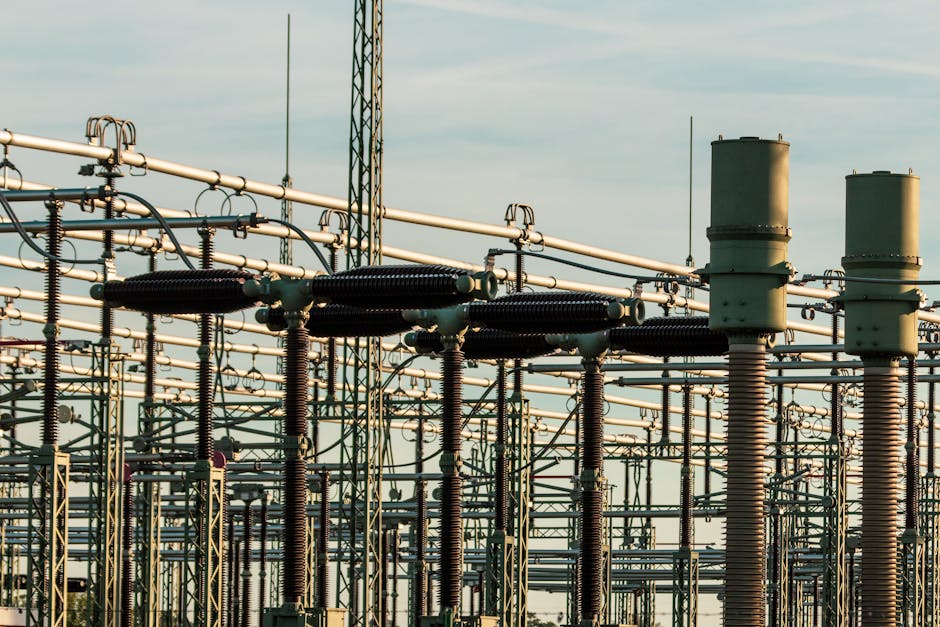
As India accelerates its transition toward a sustainable power sector, the Central Electricity Authority (CEA) has unveiled a strategic roadmap to decarbonize the nation’s transmission infrastructure. The focus is shifting toward the adoption of Green GIS (Gas-Insulated Switchgear) technology to replace conventional sulfur hexafluoride (SF6)-based equipment. SF6 is a potent greenhouse gas with a global warming potential (GWP) 24,300 times that of carbon dioxide, making its phase-out a critical component of India’s long-term climate goals.
Key Details
The CEA report outlines a structured transition, beginning with pilot projects in the 2027–28 period specifically targeting 132 kV systems and retrofitting initiatives. By 2029–30, the authority proposes that 10% of all new GIS projects adopt SF6-free solutions. The proposed alternatives include fluoronitrile-based gas mixtures (such as C4-FN blends) and clean air systems using nitrogen and oxygen. These technologies offer up to 99% lower GWP compared to traditional systems. Currently, domestic fluoronitrile production capacity stands at approximately 60 tons annually, with potential for expansion to 120 tons, sufficient to support 3,000 to 3,500 bays of 132 kV GIS.
What This Means for EPCs and Developers
For EPC contractors and power developers, the transition presents both operational and financial hurdles. Green GIS systems currently command a premium, costing six to eight times more than conventional SF6-based switchgear. Furthermore, reliance on imported components and specialized gases extends execution timelines by 20–25%. Developers must factor in these higher upfront capital expenditures and potential supply chain vulnerabilities into their project cost-benefit analyses. The CEA has identified 73 critical items in the transmission sector to drive localization, which may eventually mitigate some of these cost pressures through domestic manufacturing incentives.
What Happens Next
While Green GIS technology has been validated at 132 kV, further development is required for higher voltage applications, including 220 kV, 550 kV, and 800 kV systems. The industry is awaiting further regulatory directives that will formalize these procurement interventions. As India continues to integrate non-fossil fuel sources—having already achieved 50% of its installed capacity from such sources—the modernization of the grid remains a priority. The successful integration of Green GIS will be essential for the long-term sustainability of the India renewable energy sector, ensuring that transmission infrastructure evolves in tandem with generation capacity.