Solar PV Capex Projected to Drop to $192/kW by 2050
⚡ Quick Read
- What happened: A LUT University study projects solar PV capital expenditure to drop to between $192/kW and €720/kW by 2050, adjusting for inflation and technological advancements.
- Why it matters: Lower Capex thresholds significantly improve the viability of large-scale solar projects and accelerate the transition toward 100% renewable electricity grids.
- Watch: Future energy modeling and how these cost reductions influence the adoption of sector-coupling technologies like green hydrogen and power-to-X.
Background and Context
A comprehensive study conducted by Finland’s LUT University has provided a new outlook on the future of global solar energy economics. By analyzing 60 transition scenarios that achieve at least 95% renewable electricity by 2050, researchers have identified a significant trend in cost reduction. The study challenges previous, more conservative estimates regarding Solar PV Capex, suggesting that the industry has often underestimated the speed of cost declines and the impact of technological evolution.
Key Details
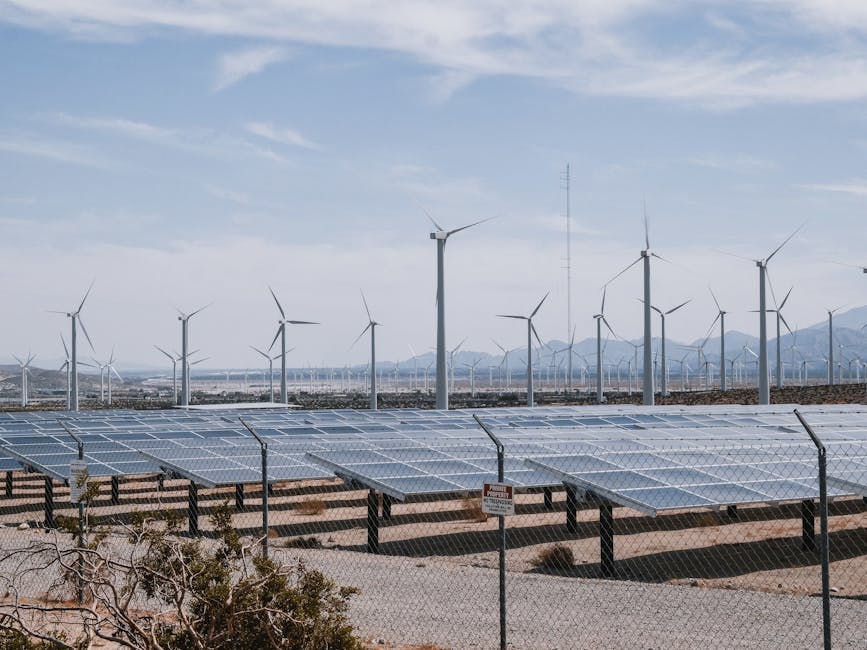
The research indicates that by 2050, the capital expenditure for solar photovoltaics could range between €166 ($192)/kW and €720/kW. The researchers emphasized that these figures account for inflation adjustments, specifically noting that all cost values prior to 2022 were adjusted by 20%. The study excluded nuclear power to focus purely on renewable-heavy energy systems, ensuring that the findings reflect a realistic evolution of solar-dominant grids. The findings highlight that solar PV and wind are expected to supply between 80% and 100% of global electricity generation by 2050, with the remaining balance typically filled by hydropower or geothermal resources.
What This Means for EPCs and Developers
For EPC contractors and solar developers in India, these projections signal a long-term downward pressure on project costs. The study suggests that many current models rely on overly conservative Capex assumptions that exceed today’s market realities. As developers look toward long-term asset management, the integration of bifacial modules, floating solar, and agrivoltaics—technologies often overlooked in generic models—will become critical for maintaining competitive edges. The shift toward lower Capex will likely lower the entry barrier for large-scale utility projects, potentially increasing the demand for high-efficiency, low-cost EPC solutions.
What Happens Next
The research underscores the necessity for more granular modeling in energy planning, moving away from generic technology representations. As India continues to expand its renewable energy sector, the convergence of lower hardware costs and improved system efficiency will be pivotal in meeting the nation’s 500 GW non-fossil capacity target. Stakeholders should monitor how these global cost trends align with domestic manufacturing incentives and the ongoing expansion of the national grid to support higher variable renewable energy penetration.