Madhya Pradesh Solar Energy: C&I Opportunities and Savings
⚡ Quick Read
- What happened: Madhya Pradesh has emerged as a key hub for C&I solar, offering diverse models like open access and rooftop solar with potential savings up to ₹6/kWh.
- Why it matters: EPCs and developers can leverage specific procurement models—captive, group captive, or third-party—to help high-consumption businesses reduce energy costs.
- Watch: Increasing adoption of battery energy storage systems (BESS) for high nighttime power users and businesses replacing diesel generators.
Background and Context
Madhya Pradesh is rapidly positioning itself as a strategic market for commercial and industrial (C&I) solar energy adoption. As of December 2025, the state ranks as the eighth-largest in India for open access solar installations, contributing approximately 4% to the national total. The market landscape is characterized by a robust project pipeline, with 77% of installations being standalone solar and 23% comprising wind-solar hybrid projects, providing a versatile energy mix for industrial consumers.
Key Details
The state offers multiple pathways for businesses to transition to renewable energy. For open access projects, the process involves a load profile assessment followed by the selection of captive, group captive, or third-party models. Regulatory approvals for these projects typically require up to two-and-a-half months. Tariffs for open access power in Madhya Pradesh range between ₹3.6/kWh and ₹4.5/kWh. Captive models are particularly attractive, allowing businesses to procure power at approximately ₹3.7/kWh, yielding savings of roughly ₹4/kWh. While third-party models offer lower savings of ₹1 to ₹1.1/kWh, they eliminate the need for upfront capital investment. Operations and maintenance (O&M) costs for these projects are estimated between ₹350,000 and ₹500,000 per MW annually.
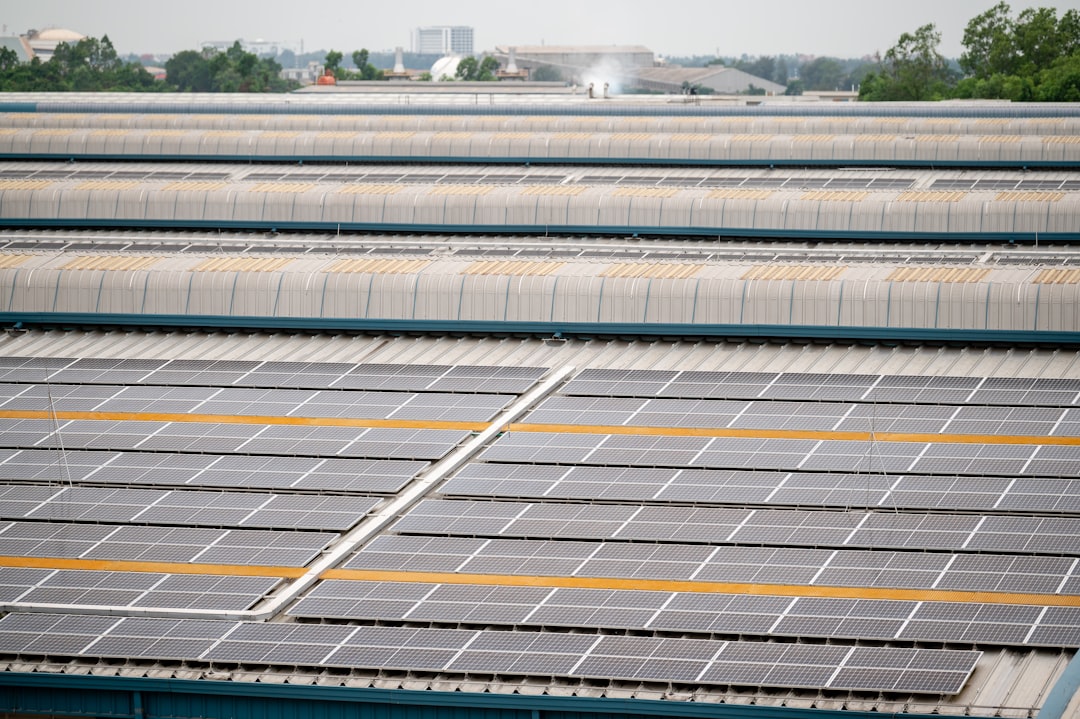
Rooftop solar remains a high-value proposition for smaller enterprises. With state grid tariffs reaching ₹8/kWh, net-metered rooftop systems can generate savings of approximately ₹6/kWh, with a typical payback period of three years. Furthermore, battery energy storage systems (BESS) are becoming increasingly viable for commercial establishments, such as hotels, where grid tariffs can exceed ₹15/kWh, providing a sustainable alternative to diesel generators.
What This Means for EPCs and Developers
For EPC contractors and developers, the Madhya Pradesh market presents significant opportunities in the group captive segment, which is currently favored for its long-term tariff visibility. Developers should focus on providing flexible financing structures, including zero-upfront-investment models, to capture the segment of smaller enterprises constrained by capital. The integration of BESS into C&I projects is a growing niche, particularly for clients with high nighttime demand profiles.
What Happens Next
The continued evolution of the India renewable energy sector suggests that policy stability and the maturation of financing models will further accelerate C&I solar adoption. As grid tariffs remain high, the shift toward hybrid solutions and storage-integrated solar will likely become the standard for industrial energy procurement, driving further demand for specialized EPC services across the state.