Middle East Conflict Impacts Solar Supply Chain Logistics
⚡ Quick Read
- What happened: Rising Middle East tensions are disrupting solar shipping routes, forcing cargo rerouting around the Cape of Good Hope and increasing logistics costs.
- Why it matters: Indian developers and EPCs face potential secondary impacts, including unpredictable delivery timelines and rising freight surcharges for imported components.
- Watch: Future insurance premiums and shipping volatility as underwriters reassess war-risk exposure for regional maritime corridors.
Background and Context
The escalating U.S.-Israeli conflict with Iran is creating ripples across the global solar supply chain, testing the resilience of logistics networks that support the burgeoning Middle Eastern photovoltaic market. While direct impacts on Chinese downstream module and cell trading remain contained for the moment, the geopolitical instability has introduced significant unpredictability into maritime transport, which serves as the primary artery for solar equipment distribution.
Key Details
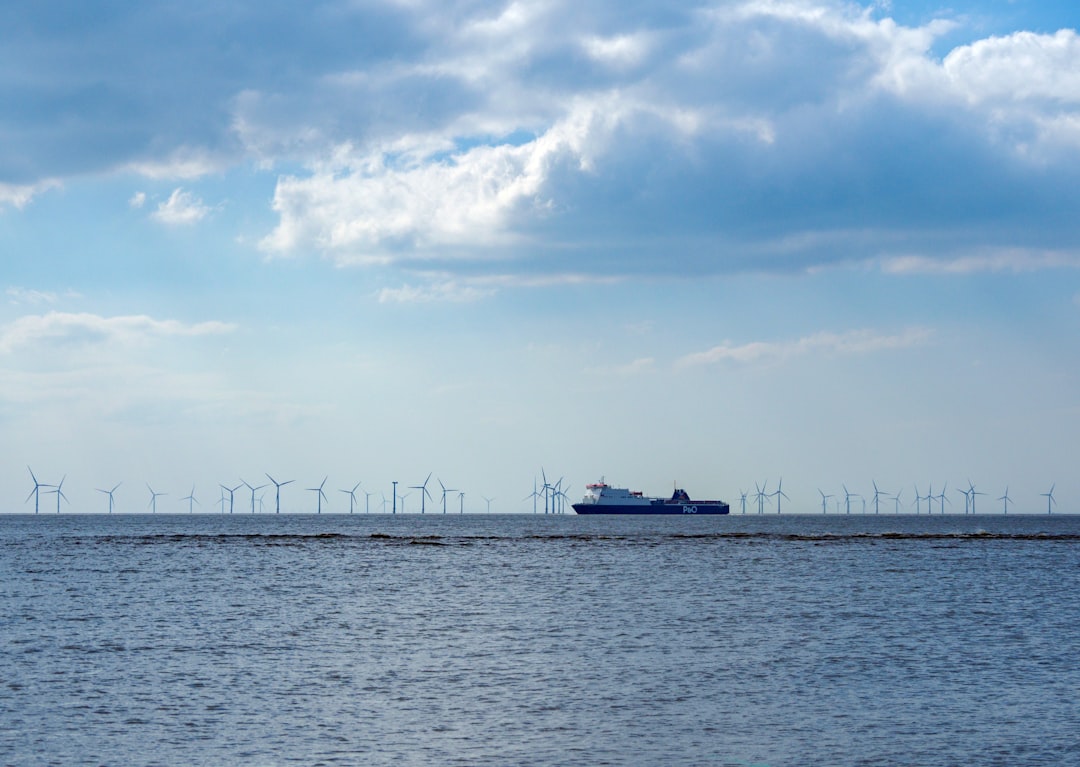
Data from Ember highlights the scale of the region’s dependence on imports, with 2025 shipments to the Middle East totaling 1.2 GW of cells and 25.9 GW of modules. The most immediate consequence of the current unrest has been the disruption of container shipping. To mitigate risks, logistics providers are increasingly rerouting vessels around the Cape of Good Hope, bypassing the Suez Canal and Red Sea corridor. While this strategy maintains supply continuity, it has significantly extended voyage times and tied up vessel capacity, leading to higher shipping costs.
Furthermore, the insurance landscape is shifting. Underwriters are tightening war-risk terms for Gulf-adjacent voyages, with some standard coverage being withdrawn or replaced by high-cost buyback arrangements. Despite these logistical hurdles, module pricing has remained relatively stable due to long-term procurement cycles where buyers secure supply one to two years in advance. OPIS reports that the FOB China forward curve price for Q1 2027 loading remains steady at approximately $0.125/Wp.
What This Means for EPCs and Developers
For Indian EPC contractors and solar developers, the situation serves as a critical reminder of the fragility of global supply chains. Although the Middle East is the immediate focus of these disruptions, the redirection of cargoes—some originally intended for the Middle East being diverted to South Asia—could lead to localized supply gluts or, conversely, sudden price volatility if shipping lanes remain constrained. Developers relying on imported components must account for longer lead times and potential freight surcharges in their project financial models to avoid cost overruns.
What Happens Next
The industry is closely monitoring the status of at least 15 new photovoltaic manufacturing projects announced across the Middle East since 2023. Any prolonged disruption could delay the trial deliveries of these facilities, particularly for new polysilicon production lines. Within the broader India renewable energy sector, these developments underscore the strategic necessity of domestic manufacturing and the importance of maintaining diversified supply sources to insulate projects from international geopolitical volatility.