
Cabling Infrastructure: The Backbone of India’s Solar Growth
⚡ Quick Read
- What happened: India is targeting 300 GW of solar capacity by 2030, necessitating a massive scale-up in high-quality Balance of System (BOS) components like specialized cabling.
- Why it matters: Low-quality cabling leads to energy losses, higher maintenance costs, and reduced system lifecycles, directly impacting the profitability of utility-scale solar projects.
- Watch: Increased reliance on domestic manufacturers who adhere to IEC 62930 and IS:694 standards to mitigate supply chain risks and raw material volatility.
Background and Context
India is making rapid strides toward a greener future, setting long-term climate objectives of net-zero emissions by 2070. To lead the global clean energy movement, the country aims to achieve 500 GW of non-fossil fuel capacity by 2030, with nearly 300 GW of solar contributing to this ambitious figure. As the nation moves toward these targets, the focus is shifting from headline capacity installations to long-term system reliability. In this transition, solar cabling infrastructure has emerged as a core component rather than a mere accessory.
Key Details
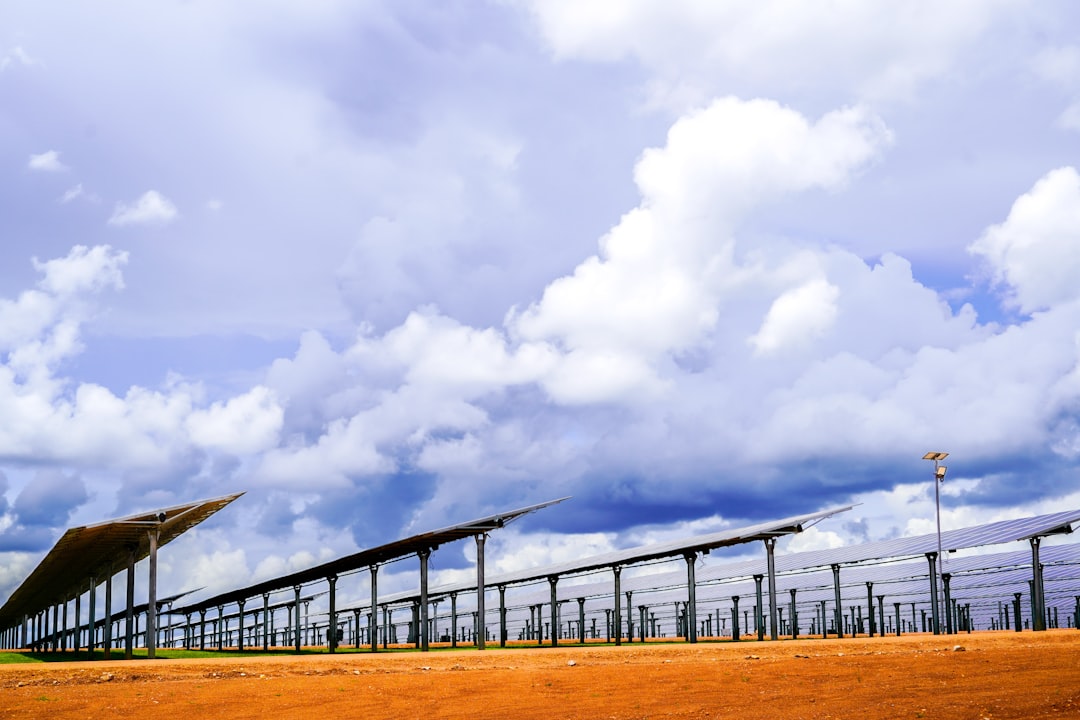
Modern solar installations, characterized by bifacial modules, tracking systems, and 1500 V DC architectures, place extreme demands on electrical wiring. Cabling must withstand prolonged UV exposure, thermal cycling, and mechanical shocks. Industry forecasts indicate that to meet the 300 GW goal, India requires at least 25 GW of new capacity annually, placing immense pressure on the Balance of System (BOS) supply chain. Constraints on raw materials, such as copper and specialized polymers, combined with unreliable imports, threaten project timelines. High-performance cables must be UV-resistant, halogen-free, and flame-retardant to ensure efficiency and safety.
What This Means for EPCs and Developers
For EPC contractors and solar developers, the choice of cabling is a critical factor in project ROI. Even a small percentage of energy loss due to inferior cabling can significantly impact the internal rate of return (IRR) over a 25-year project life. Developers are increasingly prioritizing domestic manufacturers with vertically integrated capabilities—those who control the process from copper drawing to advanced polymer extrusion. Compliance with international and local standards, specifically IEC 62930/01 and IS:694, has become a non-negotiable benchmark for ensuring dielectric strength and thermal performance in harsh Indian environments.
What Happens Next
The future of the Indian solar sector depends on the optimization of supply chain management and sustained investment in R&D for next-generation cabling. As India positions itself as a global hub for renewable energy, the domestic manufacturing sector is expected to scale up production to meet the demand for high-quality BOS components. By reducing dependence on imports and enhancing domestic quality control, the industry will better secure its path toward the 300 GW milestone. This evolution in component quality is essential for the long-term viability of the broader India renewable energy sector, ensuring that the massive infrastructure being built today remains operational and efficient for decades to come.