Global Renewable Energy Capacity Hits 49% Milestone in 2025
⚡ Quick Read
- What happened: Global renewable capacity reached 5,149 GW in 2025, with 692 GW added, accounting for 49% of total worldwide power capacity.
- Why it matters: The dominance of solar (510 GW) and wind (159 GW) confirms the global shift, signaling increased competition and supply chain pressure for Indian developers.
- Watch: How grid integration challenges and regional concentration imbalances impact international equipment pricing and policy frameworks.
Background and Context
The global energy transition reached a significant inflection point in 2025, as renewable energy sources surged to account for 49% of total installed power capacity worldwide. According to the latest data from the International Renewable Energy Agency (IRENA), the sector experienced a 15.5% year-over-year growth, with a total of 692 GW of new capacity added during the year. This expansion brings the total global renewable power capacity to approximately 5,149 GW, cementing the role of clean energy as the primary driver of electricity system expansion.
Key Details
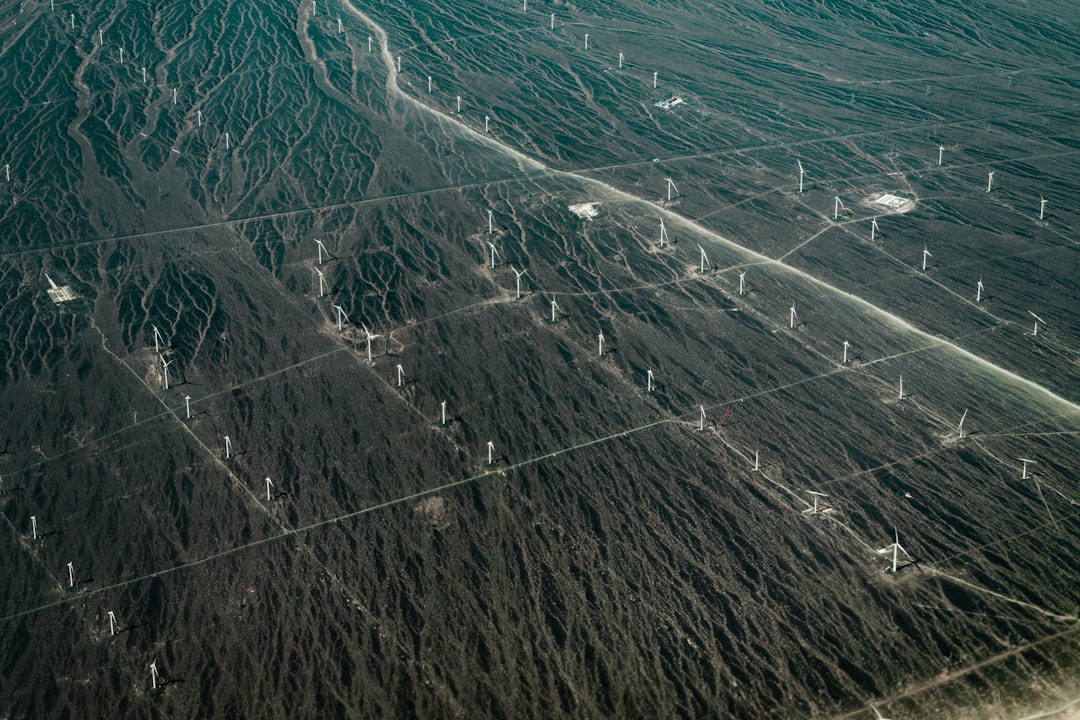
Solar technology remained the undisputed leader in this global surge, contributing 510 GW, which represents nearly three-quarters of all renewable additions in 2025. Wind energy followed as the second-largest contributor, adding 159 GW. While hydropower remains a significant component of the global mix, its growth has been incremental; capacity increased from 1,255,781 MW in 2016 to 1,455,588 MW by the end of 2025. Conversely, marine energy has remained largely stagnant, declining slightly from 524 MW to 490 MW over the same decade.
Regional concentration remains a critical theme. China, the U.S., and the European Union collectively accounted for 79.5% of all new additions, totaling 550 GW. China alone recorded historic growth, adding 311 GW of solar and 119 GW of wind power. In contrast, emerging regions like Africa added only 11.3 GW, highlighting a persistent imbalance in the global transition.
What This Means for EPCs and Developers
For Indian EPC contractors and solar developers, this data underscores a hyper-competitive global landscape. As solar accounts for the vast majority of new capacity, the pressure on module manufacturing and supply chain logistics will intensify. The shift toward higher shares of variable renewable energy (VRE) necessitates that Indian developers prioritize grid-integrated solutions, including battery energy storage systems (BESS), which are increasingly being paired with utility-scale projects to manage intermittency.
What Happens Next
As renewable capacity approaches half of the global installed power, the focus will shift toward system integration and grid stability. IRENA notes that electricity systems must now adapt to higher shares of variable generation. Within the India renewable energy sector, this trend reinforces the government’s push for round-the-clock (RTC) power tenders and transmission infrastructure upgrades to ensure that the massive capacity additions planned for the coming decade can be effectively absorbed by the national grid.