Bombay Dyeing Commissions 2.5 MW Rooftop Solar Project
⚡ Quick Read
- What happened: Bombay Dyeing commissioned a 2.5 MW rooftop solar project at its Rasayani facility in Maharashtra, executed by B. U. Bhandari Energy.
- Why it matters: The project is expected to slash electricity costs by 35-40% and deliver lifetime savings of up to ₹500 million for the textile manufacturer.
- Watch: Increasing adoption of bifacial module technology and short-rail mounting systems in large-scale industrial rooftop installations across India.
Background and Context
The transition toward renewable energy in the Commercial and Industrial (C&I) sector continues to gain momentum as manufacturing firms seek to hedge against rising grid tariffs. Bombay Dyeing and Manufacturing Company has officially commissioned a 2.5 MW rooftop solar project at its Rasayani facility in Patalganga, Maharashtra. This strategic move is designed to stabilize energy costs for its energy-intensive polyester and textile manufacturing operations while simultaneously advancing the company’s corporate sustainability objectives.
Key Details
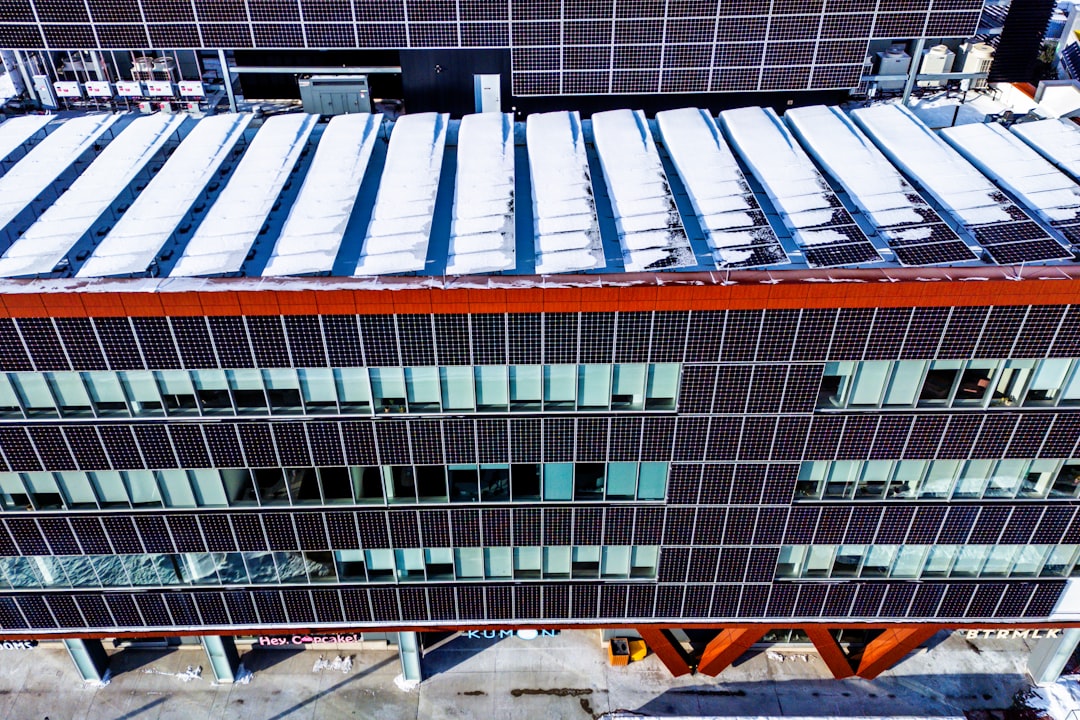
Executed by B. U. Bhandari Energy under a capital expenditure (CAPEX) model, the project utilizes high-efficiency technology to maximize output within the facility’s 15,000–16,000 square meter footprint. The system features 4,107 Jinko bifacial solar modules, each rated at 585 Wp, paired with Growatt inverters. To ensure structural integrity and optimal generation, the installation utilizes a short-rail mounting structure specifically designed for industrial roofing. The system is projected to generate between 3.6 million and 3.8 million units of electricity annually. Financially, the project is estimated to yield lifetime savings ranging from ₹450 million to ₹500 million, depending on future tariff escalations. Beyond the fiscal impact, the installation is expected to offset approximately 3,000–3,200 tons of carbon dioxide emissions every year.
What This Means for EPCs and Developers
For EPC contractors and solar developers, this project highlights the growing preference for bifacial technology and optimized mounting solutions in the C&I segment. The successful execution, which required navigating monsoon conditions and complex logistics without disrupting plant operations, underscores the importance of phased implementation and rigorous site planning. As energy-intensive industries face increasing pressure to lower their carbon footprint, the demand for reliable, high-uptime solar installations that integrate seamlessly with existing manufacturing load profiles is set to rise.
What Happens Next
The Indian renewable energy sector is witnessing a surge in C&I solar adoption as companies prioritize energy security and cost predictability. With the industry moving toward more sophisticated engineering solutions to maximize limited rooftop space, developers are increasingly focusing on bifacial modules and advanced inverters to improve the return on investment. This project serves as a benchmark for similar manufacturing units looking to leverage solar energy to remain competitive in the global market, further strengthening the role of decentralized power generation in India’s broader energy transition.