CleanMax Commissions 185 MW Wind-Solar Hybrid Project in Gujarat
⚡ Quick Read
- What happened: CleanMax has commissioned a 185 MW wind-solar hybrid project in Kalavad, Gujarat, serving 17 corporate customers under a group captive model.
- Why it matters: The project demonstrates the viability of the group captive model for C&I players, securing long-term revenue via 25-year fixed-tariff PPAs.
- Watch: Further expansion of CleanMax’s 3.1 GW operational capacity as they target consistent renewable energy supply for industrial demand.
Background and Context
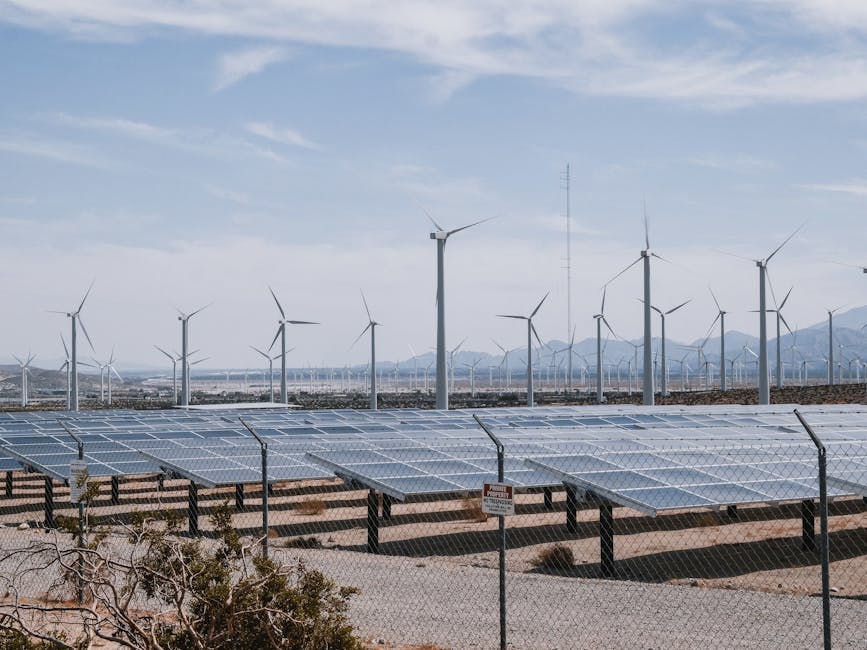
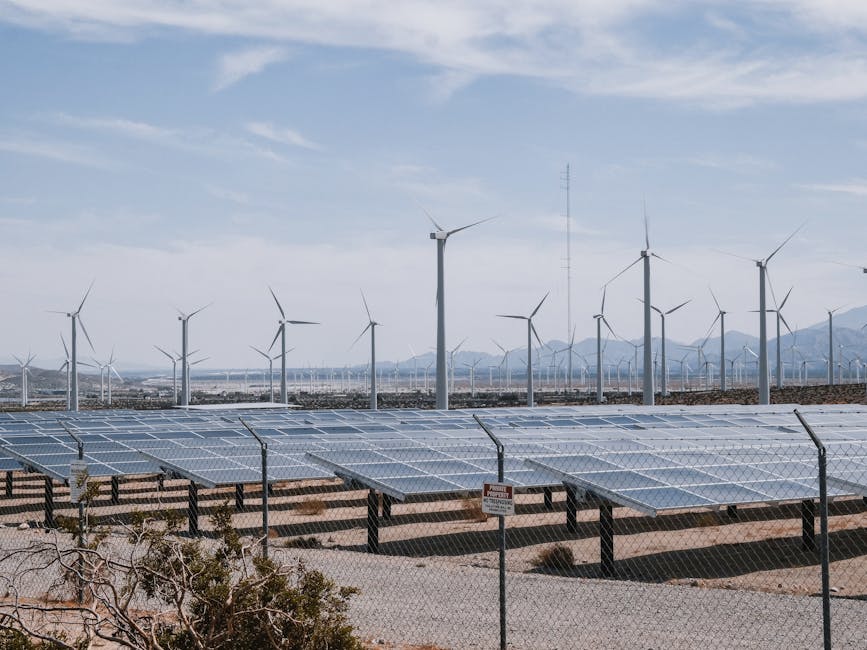
CleanMax Enviro Energy Solutions has officially commissioned a 185 MW wind-solar hybrid project located in Kalavad, Gujarat. This strategic development marks a significant milestone for the renewable energy provider, which focuses on delivering sustainable power solutions to the commercial and industrial (C&I) sector. The project was executed over a 12-month construction timeline, reflecting the company’s operational efficiency in navigating the complexities of hybrid renewable infrastructure.
Key Details
The 185 MW hybrid facility is designed to supply renewable power to 17 corporate customers, including major industry players such as Apar Industries Ltd and Borosil Renewables Ltd. The project operates under the group captive model, which allows offtakers to hold equity in the project in compliance with the Electricity Act, thereby securing long-term access to clean energy. With this commissioning, CleanMax has expanded its total operational capacity in Gujarat to 844 MW as of March 31, 2026. The project is projected to generate annual revenues exceeding ₹165 crore from FY2027, supported by 25-year fixed-tariff power purchase agreements (PPAs). Environmentally, the plant is expected to offset 3.61 lakh tonnes of CO₂ emissions annually, an impact equivalent to planting 20.9 million trees.
What This Means for EPCs and Developers
For EPC contractors and developers, the success of this project underscores the growing demand for hybrid renewable solutions that provide round-the-clock power. By combining wind and solar, developers can mitigate the intermittency issues associated with standalone solar or wind plants, making the power more attractive to industrial consumers who require consistent energy supply. The group captive model remains a robust pathway for developers to secure bankable, long-term PPAs, reducing reliance on government-led auctions and providing stable cash flows over a 25-year lifecycle.
What Happens Next
CleanMax continues to scale its national footprint, with its cumulative operational energy sale capacity reaching 3.1 GW as of March 31, 2026. As the India renewable energy sector shifts toward more sophisticated hybrid configurations and round-the-clock (RTC) power delivery, developers are increasingly prioritizing projects that offer higher capacity utilization factors (CUF). The integration of such hybrid assets will be critical in meeting the decarbonization targets of India’s industrial base, ensuring that the country remains on track to meet its ambitious 500 GW non-fossil fuel capacity goal by 2030.